Dunia pendakian internasional digemparkan oleh kisah keselamatan luar biasa di Everest. Dawa Sherpa, pemandu gunung berusia 52 tahun yang akrab disapa 'Hillary', ditemukan selamat pada 4 Juni 2026 setelah hilang selama tujuh hari di ketinggian ekstrem. Ia terakhir terlihat di bawah Camp IV pada sekitar 7.600 meter sebelum menghilang dari pandangan rombongan timnya.
The international mountaineering world was stunned by an extraordinary survival story on Mount Everest. Dawa Sherpa, a 52-year-old mountain guide known to colleagues as 'Hillary', was found alive on June 4, 2026, after going missing for seven days at extreme altitude. He was last seen below Camp IV at roughly 7,600 meters before vanishing from his team's sight.
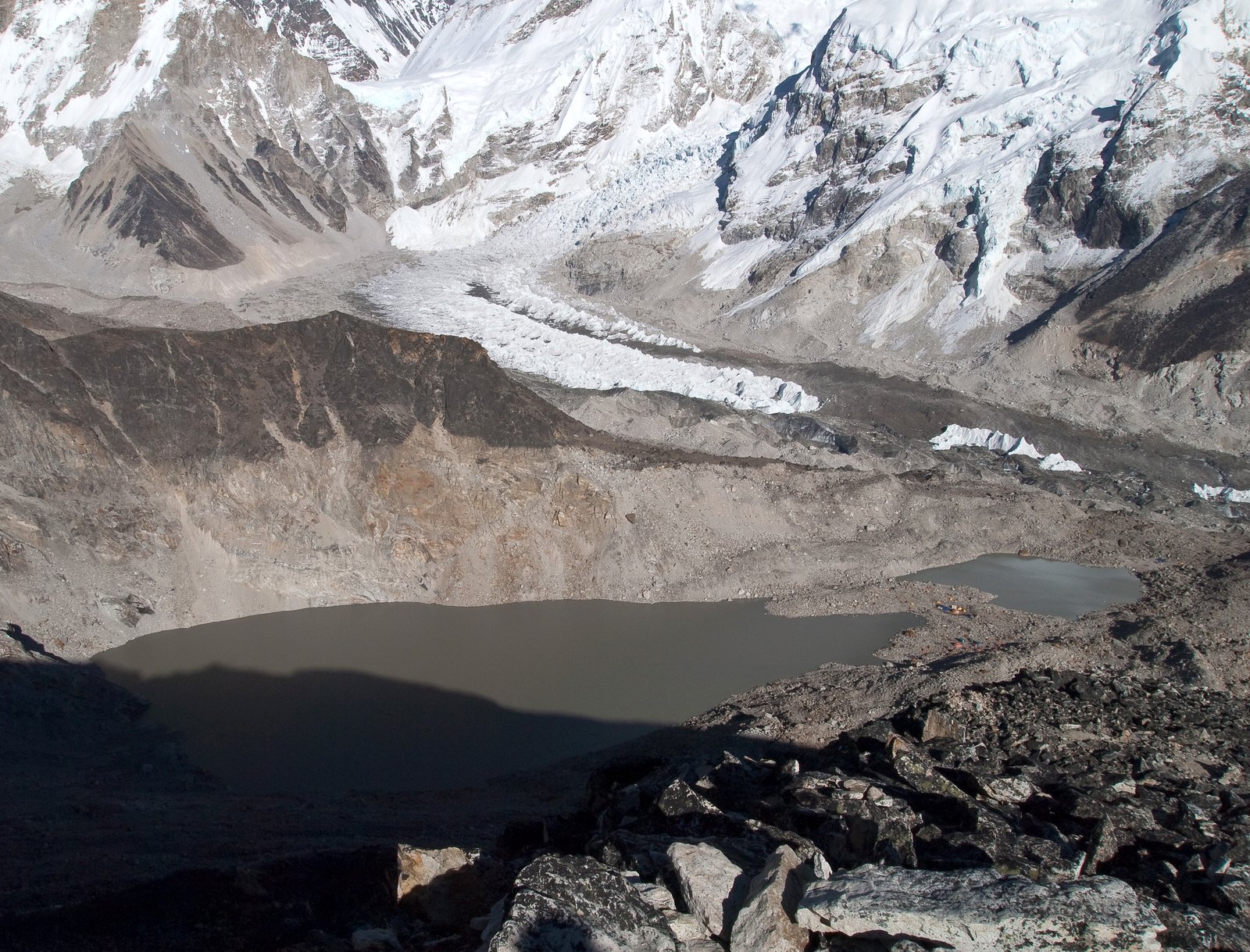
Menurut laporan Associated Press dan CNN, Dawa terjebak dalam sebuah jurang es (crevasse) di atas Khumbu Icefall selama kurang lebih dua setengah hari sebelum berhasil membebaskan diri, setelah timbunan salju dan material longsoran cukup tinggi untuk ia panjat keluar. Tanpa makanan maupun air, ia bertahan dengan mengunyah es dan sebongkah cokelat yang tersisa di kantong jaketnya, sembari merangkak turun sendirian dari ketinggian sekitar 7.600 meter menuju 5.300 meter.
According to reports from the Associated Press and CNN, Dawa was trapped in a crevasse above the Khumbu Icefall for roughly two and a half days before freeing himself, after enough snow and avalanche debris had piled up for him to climb out. With no food or water, he survived by chewing ice and eating a leftover chocolate bar from his jacket pocket, crawling alone down from around 7,600 meters to 5,300 meters.
Dawa akhirnya ditemukan oleh tim kebersihan Sagarmatha Pollution Control Committee yang sedang bertugas rutin di Crampon Point, kaki Khumbu Icefall, dalam kondisi frostbite parah dan kelelahan ekstrem. "Kemampuan Dawa menyelamatkan dirinya sendiri dan mencapai tempat aman adalah salah satu hal paling luar biasa yang pernah kami lihat di Everest," kata Lakpa Sherpa, direktur perusahaan pemandu 8K Expeditions.
Dawa was eventually found by a cleanup crew from the Sagarmatha Pollution Control Committee on routine duty at Crampon Point, the foot of the Khumbu Icefall, suffering from severe frostbite and extreme exhaustion. "Dawa's ability to self-rescue and reach safety is one of the most incredible things we've ever seen on Everest," said Lakpa Sherpa, director of guiding company 8K Expeditions.
"Chris memberi tahu kami bahwa ia sudah melapor ke perusahaan bahwa ayah saya tertinggal di belakang. Tapi tidak ada yang kembali untuk mencarinya. Kami menuntut akuntabilitas dari perusahaan yang terlibat."
"Chris told us he had reported to the company that my father had fallen behind. But no one came back to search for him. We demand accountability from the companies involved."
— Mendo Lhamu Sherpa, putri Dawa Sherpadaughter of Dawa Sherpa
Di balik kisah keajaiban ini, muncul pertanyaan serius soal prosedur keselamatan dan tanggung jawab operator ekspedisi. Putri Dawa, Mendo Lhamu Sherpa, mengatakan rekan setim ayahnya sempat melaporkan ke perusahaan bahwa Dawa tertinggal di belakang rombongan — namun tidak ada tim pencari yang dikirim untuk menyusulnya sebelum ia ditemukan sendiri oleh petugas kebersihan.
Behind this miraculous story lie serious questions about safety procedures and expedition operator accountability. Dawa's daughter, Mendo Lhamu Sherpa, said her father's teammate had reported to the company that he had fallen behind the group — yet no search team was sent before he was found on his own by cleanup staff.
Kasus ini menjadi pengingat keras bagi industri pendakian global, termasuk Indonesia, soal pentingnya protokol pencarian dan pertolongan saat anggota tim terpisah di ketinggian. FMI mendorong seluruh operator dan pemandu pendakian di Tanah Air untuk memperkuat SOP komunikasi serta pelacakan posisi pendaki, terutama pada jalur teknis berisiko tinggi seperti jurang es dan medan vertikal.
This case stands as a stark reminder for the global mountaineering industry, including Indonesia, of the importance of search-and-rescue protocols when team members become separated at altitude. FMI urges all expedition operators and mountain guides across the country to strengthen communication SOPs and climber position-tracking, especially on high-risk technical routes such as crevasses and vertical terrain.