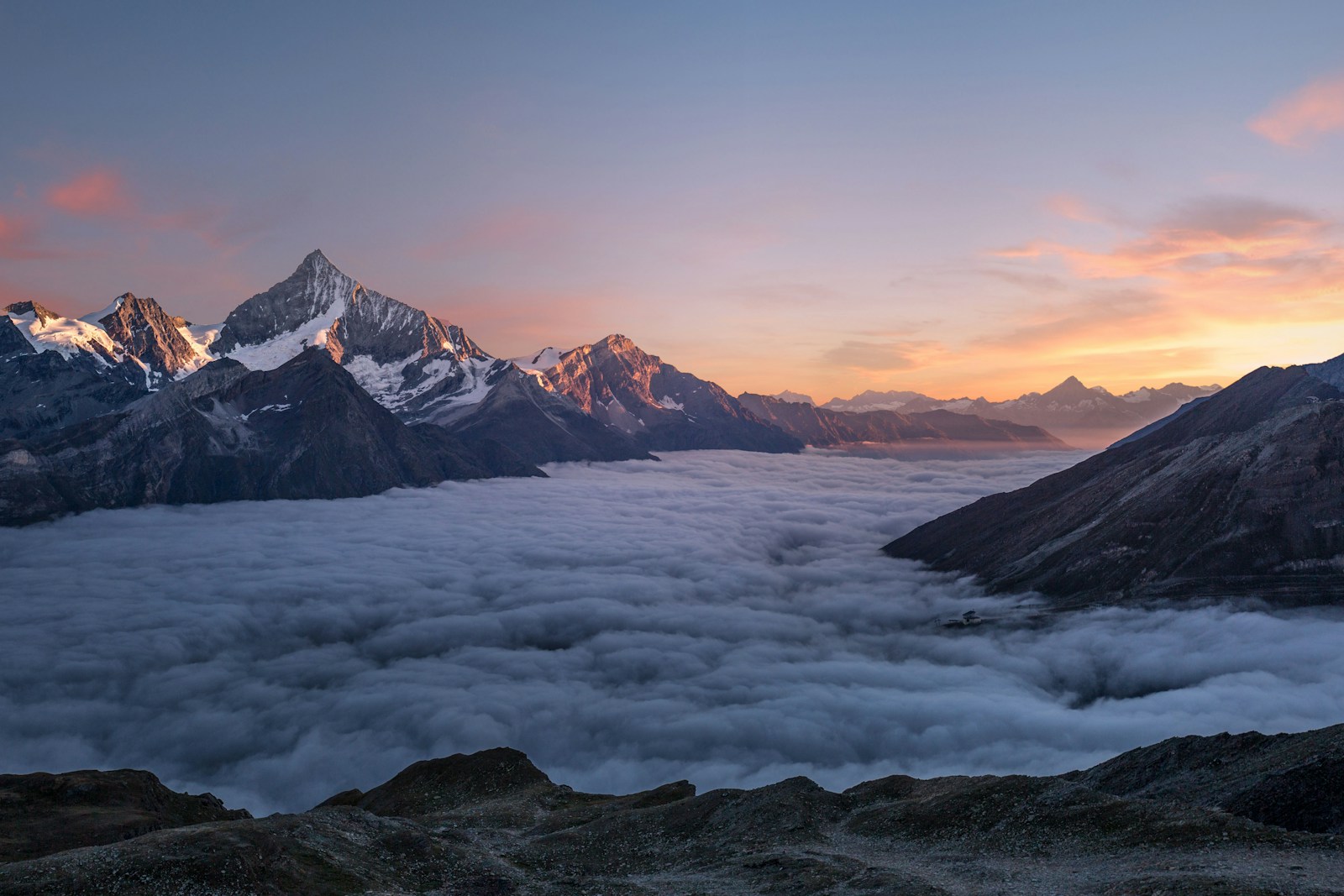
Musim pendakian Everest 2026 resmi berakhir dengan catatan sejarah: total 1.008 pendaki berhasil meraih puncak gunung tertinggi di dunia (8.848 meter), mencetak rekor tertinggi sepanjang masa. Dari angka tersebut, 274 pendaki mencapai puncak dalam satu hari — 20 Mei 2026 — sebuah rekor harian yang belum pernah terjadi sebelumnya. Nepal menerbitkan 495 izin pendakian Everest musim ini, juga rekor terbaru, menghasilkan pendapatan royalti sebesar USD 7,2 juta.
The 2026 Everest climbing season closed with a historic milestone: a total of 1,008 climbers reached the summit of the world's highest mountain (8,848 meters), setting an all-time record. Of that figure, 274 climbers summited in a single day — May 20, 2026 — an unprecedented daily record. Nepal issued 495 Everest climbing permits this season, also a new record, generating USD 7.2 million in royalty revenue.
Musim ini tidak berjalan mulus. Awal April, sebuah balok es raksasa memblokir jalur melalui Khumbu Icefall selama hampir dua minggu, memaksa para Icefall Doctors menghentikan sementara pekerjaan mereka dan memundurkan jadwal pembukaan rute. Baru pada 26 April jalur berhasil ditembus, terlambat dua minggu dibanding musim sebelumnya. Keterlambatan ini menciptakan tekanan luar biasa: ratusan pendaki harus merebut jendela cuaca yang semakin sempit sebelum datangnya musim muson akhir Mei.
The season was not without difficulties. In early April, a massive ice block jammed the Khumbu Icefall route for nearly two weeks, forcing the Icefall Doctors to halt work and delay the route opening. The path was only cleared on April 26 — two weeks behind the previous season. This delay created enormous pressure, as hundreds of climbers had to compete for an ever-narrowing weather window before the late-May monsoon arrival.
Di antara pencapaian yang paling menonjol adalah Tyler Andrews (35 tahun, Amerika Serikat) yang membukukan rekor kecepatan pendakian Everest: dari Base Camp ke puncak hanya dalam 9 jam 55 menit menggunakan oksigen tambahan, melampaui rekor sebelumnya 10 jam 56 menit oleh Lakpa Gelu Sherpa pada 2003. Pendaki Polandia Bartek Ziemski (31 tahun) membuat dua prestasi bersejarah tanpa dukungan Sherpa dan tanpa oksigen — mendaki Everest dan Lhotse, keduanya diakhiri dengan ski descent dari puncak, yang merupakan pertama kali dalam sejarah. Kenton Cool dari Inggris mencatat summit Everest ke-20-nya, rekor untuk pendaki non-Sherpa.
Among the season's most notable achievements, American Tyler Andrews (35) set a new Everest speed record: Base Camp to summit in just 9 hours and 55 minutes using supplemental oxygen, surpassing the previous record of 10 hours 56 minutes set by Lakpa Gelu Sherpa in 2003. Polish climber Bartek Ziemski (31) achieved two historic feats with no Sherpa support and no supplemental oxygen — summiting both Everest and Lhotse, each followed by a ski descent from the summit, the first such accomplishment in history. Briton Kenton Cool recorded his 20th Everest summit, a record for non-Sherpa climbers.
"Aturan baru ini justru menyaring dompet, bukan kompetensi. Yang bisa membayar USD 15.000 tetap bisa naik — berapa pun pengalaman mereka."
"The new rules screen for wallets, not competence. Anyone who can pay USD 15,000 can still climb — regardless of experience."
— Alan Arnette, analis mountaineering senior, alanarnette.comsenior mountaineering analyst, alanarnette.com
Keberhasilan tersebut ternoda oleh krisis lingkungan yang semakin parah di South Col (8.000 meter). Pemerintah Nepal telah mewajibkan semua pendaki membawa kembali sampah dari setiap camp ke Base Camp — namun aturan ini tampaknya diabaikan secara luas. Video yang direkam oleh pemandu IFMGA Nepal Vinayak Jaya Malla pada 26 Mei 2026 menunjukkan tumpukan tenda, kemasan makanan, dan botol bahan bakar yang terbengkalai di South Col. Ironisnya, botol oksigen — satu-satunya yang bernilai jual, sekitar USD 65 per botol — justru dibawa turun, sementara sampah lainnya ditinggalkan.
These achievements were overshadowed by a worsening environmental crisis at the South Col (8,000 meters). Nepal's government had mandated that all climbers carry their trash from every camp back to Base Camp — but the rule appeared to be widely ignored. Video footage recorded by IFMGA Nepal-certified guide Vinayak Jaya Malla on May 26, 2026 showed abandoned tents, food packaging, and fuel bottles strewn across the South Col. Ironically, oxygen bottles — the only items with resale value, at around USD 65 each — were carried down, while all other waste was left behind.
Isu keselamatan tetap menjadi perhatian serius. Musim ini tercatat lima kematian di Everest dan dua di Makalu — lebih rendah dari rata-rata historis tujuh kematian per tahun sejak 2010 (data Himalayan Database) dan jauh di bawah 18 kematian pada musim 2023 yang menjadi rekor terburuk. Dua dari lima kematian di Everest melibatkan pendaki India yang dilaporkan merasa tidak enak badan saat pendakian namun tetap diizinkan melanjutkan — sebuah kegagalan manajemen keselamatan yang dinilai seharusnya bisa dicegah. Dalam kabar mengharukan, Dawa "Hillary" Sherpa yang sempat dilaporkan hilang selama enam hari setelah terjebak di crevasse dekat Camp 1 berhasil diselamatkan dalam kondisi hidup pada 4 Juni 2026.
Safety remained a serious concern. This season recorded five deaths on Everest and two on Makalu — lower than the historical average of seven fatalities per year since 2010 (Himalayan Database) and far below the record 18 deaths in the 2023 season. Two of the five Everest deaths involved Indian climbers who reportedly felt unwell during their ascent but were still permitted to continue — a safety management failure widely regarded as preventable. In a remarkable story, Dawa "Hillary" Sherpa, reported missing for six days after falling into a crevasse near Camp 1, was found alive on June 4, 2026, having crawled out unaided and descended the Icefall after the ladders had been removed.
Perdebatan terbesar yang akan membentuk musim 2027 adalah rancangan undang-undang pariwisata baru Nepal yang mewajibkan calon pendaki Everest untuk terlebih dahulu menyelesaikan pendakian gunung setinggi 7.000 meter di Nepal. Undang-undang ini telah melewati satu kamar parlemen tetapi belum diratifikasi secara penuh. Jika diberlakukan, para analis memperkirakan jumlah izin bisa turun 40–60%, mengancam pendapatan royalti sebesar USD 3–4 juta per tahun. Kontroversinya: aturan pengalaman ini mengecualikan gunung-gunung populer di luar Nepal seperti Aconcagua dan Denali, sehingga pendaki yang mampu secara finansial tetap bisa naik tanpa kompetensi memadai. Sejarah menunjukkan Nepal pernah memperkenalkan syarat serupa di pertengahan 1990-an, lalu mencabutnya dalam dua musim akibat tekanan operator dan penurunan pendapatan.
The biggest debate shaping the 2027 season is Nepal's proposed new tourism bill requiring prospective Everest climbers to first complete a 7,000-meter peak in Nepal. The law has passed one chamber of parliament but has not been fully ratified. If enacted, analysts project permit numbers could fall 40–60%, putting USD 3–4 million in annual royalty revenue at risk. The controversy: the experience requirement excludes popular peaks outside Nepal such as Aconcagua and Denali, meaning financially capable climbers can still ascend without adequate competence. History shows Nepal introduced a similar prerequisite in the mid-1990s, then rescinded it within two seasons under operator pressure and revenue decline.
Musim Everest 2026 menjadi cerminan paradoks mountaineering modern: rekor demi rekor dipecahkan, teknologi dan logistik semakin canggih, namun persoalan mendasar — sampah, kepadatan, keselamatan, dan seleksi pendaki — belum menemukan jawaban yang tuntas. Bagi komunitas mountaineering Indonesia, dinamika di Himalaya ini relevan: standar kompetensi, etika lingkungan di kawasan pendakian, serta peran federasi dalam mengadvokasi keselamatan adalah isu yang sama-sama dihadapi, baik di gunung tertinggi dunia maupun di puncak-puncak Nusantara.
The 2026 Everest season reflects the paradox of modern mountaineering: record after record is broken, technology and logistics grow ever more sophisticated, yet the fundamental challenges — waste, crowding, safety, and climber selection — remain unresolved. For Indonesia's mountaineering community, the dynamics unfolding in the Himalaya are directly relevant: competency standards, environmental ethics on climbing routes, and the role of federations in advocating for safety are issues shared equally by those who climb the world's highest peak and those who summit the peaks of the archipelago.